Restorative Dentistry in Buda, TX

Repair, Restore, and Protect Growing Smiles

At Buda Kids Teeth, we provide restorative dentistry to repair damaged teeth and bring your child’s smile back to full health and function. Whether your child has a cavity, a weakened tooth, or early signs of decay, our team delivers gentle, effective care designed specifically for kids. We focus on preserving natural teeth whenever possible while restoring strength, comfort, and confidence.

Restorative dentistry isn’t just about fixing teeth—it helps prevent further damage, supports proper development, and keeps your child smiling, eating, and speaking with ease.
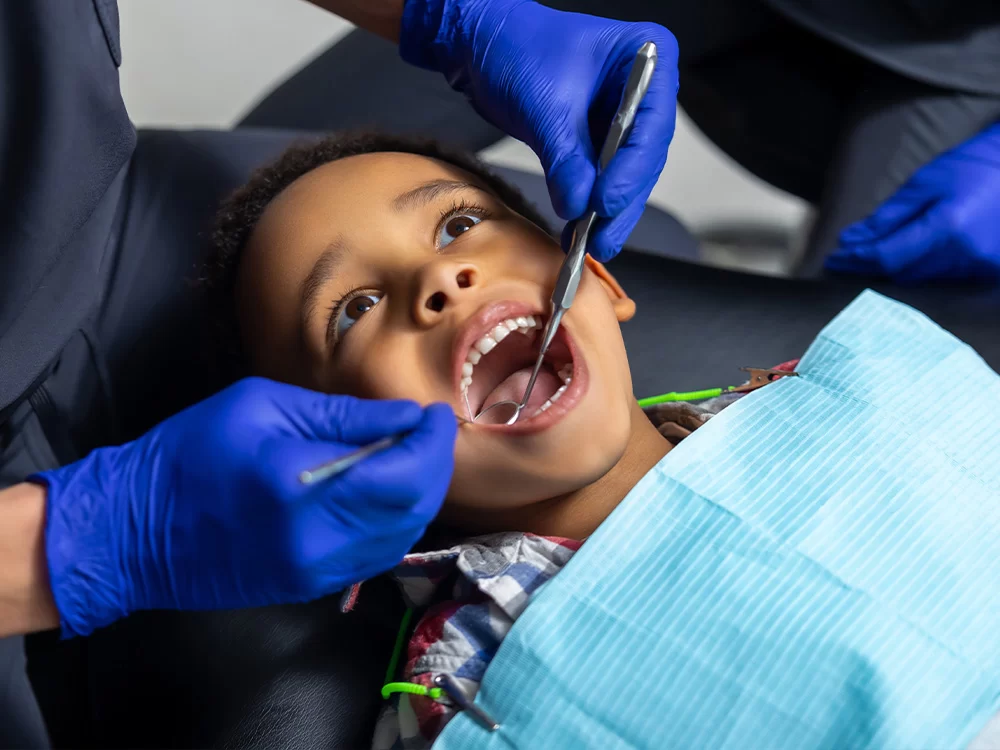
Restorative Dentistry

When Does My Child Need Restorative Dental Care?

Children may need restorative treatment when decay, damage, or enamel weakness affects their teeth. Early care helps prevent more serious issues and keeps treatment simple and comfortable.

Your child may benefit from restorative care if you notice:

  • Tooth pain or sensitivity
  • Visible cavities or dark spots
  • Chipped, cracked, or broken teeth
  • Food frequently getting stuck in certain areas
  • White spots or early signs of enamel damage
  • Tooth pain or sensitivity
  • Visible cavities or dark spots
  • Chipped, cracked, or broken teeth
  • Food frequently getting stuck in certain areas
  • White spots or early signs of enamel damage

Even small concerns can grow quickly, so early evaluation helps us protect your child’s smile and avoid more complex treatments.

Our Restorative Treatment Options

We offer modern, kid-friendly solutions to restore and protect your child’s teeth.
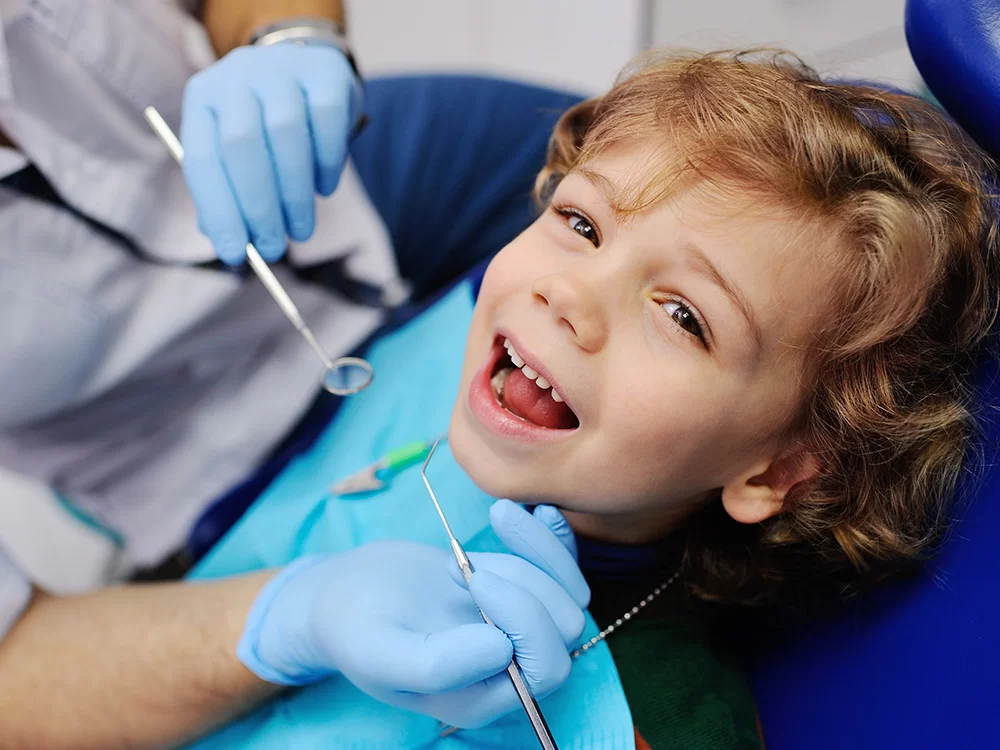
Dental Fillings

Dental Fillings

Fillings repair cavities by removing decay and restoring the tooth with a durable, tooth-colored material. This treatment stops the spread of decay and brings the tooth back to normal function.

Dental Crowns

Dental Crowns

Crowns cover and protect teeth that have significant damage or decay. We use natural-looking, tooth-colored crowns that restore strength while blending seamlessly with your child’s smile.

Resin Infiltration

Resin Infiltration

Resin infiltration treats early-stage decay without drilling. By applying a composite resin, this minimally invasive option strengthens enamel and helps stop cavities before they fully develop.

Baby Root Canal

Baby Root Canal (Pulpotomy)

Baby root canal treatment, also called pulp therapy, removes infection inside a child’s baby tooth, relieving pain and helping preserve the tooth until it naturally falls out.

What to Expect During Restorative Treatment

Your child’s visit begins with a thorough exam to identify the problem and determine the best treatment. We explain everything clearly so you and your child feel comfortable and confident.

During treatment, we use gentle techniques and kid-friendly communication to keep your child relaxed. When needed, we offer comfort options to ensure a smooth, stress-free experience. Our goal is to complete treatment efficiently while making every visit positive.

Why Choose Buda Kids Teeth for Restorative Care?

  • Gentle, child-focused approach
  • Tooth-colored, natural-looking materials
  • Minimally invasive treatment options
  • Comfort-focused care for every child
  • Spanish-speaking team available
  • Gentle, child-focused approach
  • Tooth-colored, natural-looking materials
  • Minimally invasive treatment options
  • Comfort-focused care for every child
  • Spanish-speaking team available

Because we specialize in pediatric dentistry, we understand how to care for growing smiles with patience, precision, and compassion.

Schedule a Restorative Consultation

If your child needs treatment for a cavity or damaged tooth, we’re here to help. Our team at Buda Kids Teeth provides gentle, effective restorative care in a supportive environment.

Call us today at (512) 295-7600 or request an appointment online.

FAQs

Here are detailed answers to common questions about restorative dentistry for children.

Restorative dentistry focuses on repairing teeth that have been damaged by cavities, injury, or enamel defects. In children, this often means treating cavities early, restoring broken teeth, or strengthening areas where enamel has weakened. Kids may need restorative care because their enamel is thinner and more susceptible to decay, especially if brushing habits or diet create higher cavity risk. Restorative treatments not only fix the immediate issue but also protect the tooth from further damage, preserve natural structure, and support proper chewing, speech, and development. Addressing these problems early helps avoid more complex treatments in the future.
Yes—treating baby teeth is extremely important. Baby teeth hold space for permanent teeth, guide proper alignment, and support chewing and speech development. If a baby tooth develops a cavity and goes untreated, it can lead to pain, infection, and even damage to the developing adult tooth underneath. Early loss of baby teeth can also cause neighboring teeth to shift, which may lead to crowding or orthodontic issues later. Restorative care helps maintain the health and function of baby teeth until they naturally fall out.
Some signs of cavities include tooth sensitivity, visible dark spots, holes in the teeth, or complaints of pain when eating or drinking. However, many cavities don’t cause symptoms in the early stages, which is why regular dental visits are so important. Dentists can detect decay before it becomes painful or visible, often through exams and digital imaging. Catching cavities early allows for simpler, more comfortable treatments and helps preserve more of the natural tooth.
The most common restorative treatments include fillings, crowns, baby root canals, (pulpotomy) and minimally invasive options like resin infiltration. Fillings repair small to moderate cavities by removing decay and restoring the tooth with a tooth-colored material. Crowns protect and strengthen teeth that have more extensive damage, covering the entire tooth to prevent further breakdown. Baby root canals treat infection inside the tooth while preserving it, helping relieve pain and maintain proper spacing for adult teeth. Resin infiltration treats early decay without drilling by strengthening enamel from within. Each option serves a different purpose, and we choose the right one based on the severity of the issue and your child’s needs.
Modern pediatric dentistry focuses heavily on comfort. We use gentle techniques and local anesthesia to keep your child comfortable during procedures like fillings or crowns. For children who feel anxious or need more extensive treatment, we can offer additional comfort options such as nitrous oxide or other forms of sedation when appropriate. Most kids tolerate restorative treatments very well, and many feel more relaxed than they expect once they understand what will happen.
Fillings and crowns can last for several years, depending on your child’s oral hygiene, diet, and habits. In many cases, restorations last until the baby tooth naturally falls out. For permanent teeth, they can last even longer with proper care. Regular dental visits allow us to monitor restorations and make adjustments if needed. Encouraging good brushing, flossing, and healthy eating habits helps extend the life of these treatments.
Delaying treatment can allow decay or damage to worsen over time. A small cavity can quickly grow into a larger one, eventually reaching the inner part of the tooth and causing pain or infection. At that point, treatment becomes more complex and may require procedures like crowns or pulp therapy. In severe cases, untreated decay can lead to tooth loss or spread of infection. Early treatment keeps the process simple, comfortable, and more affordable while protecting your child’s overall health.
Preventing restorative treatment starts with strong daily habits and regular dental visits. Help your child brush twice a day with fluoride toothpaste, floss daily, and limit sugary snacks and drinks. Preventative treatments like fluoride and sealants add extra protection against cavities. Routine checkups allow us to catch early signs of decay and address them before they require more involved care. Building these habits early reduces the likelihood of needing restorative treatment and supports a lifetime of healthy smiles.